Crema: When a brand knows exactly what it is.
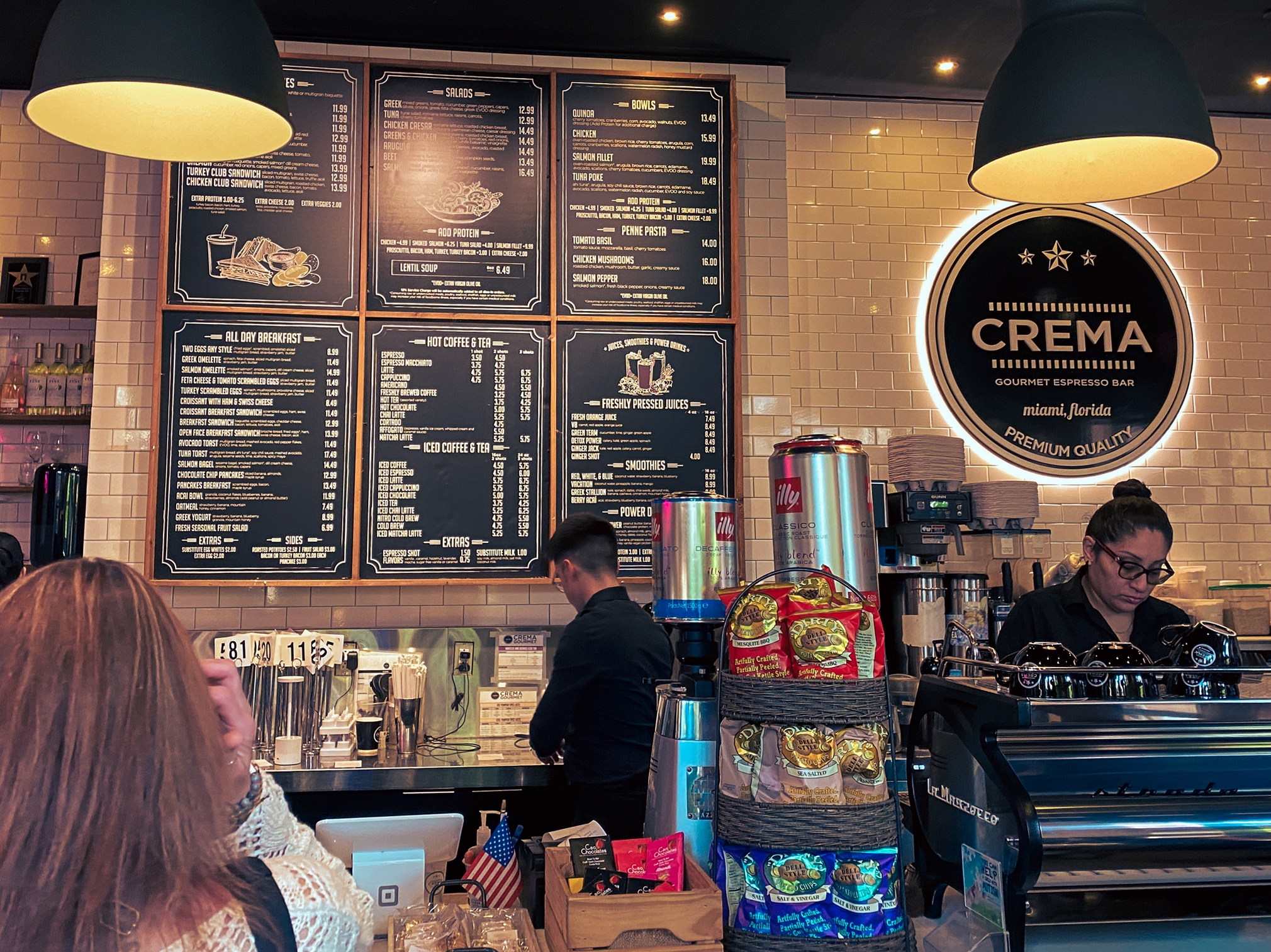
I spend most of my days working with software and product teams, helping them iterate through affordance, quality, and delight for their customers. While I don’t consider myself a “branding guy,” I do pay close attention when I encounter a product or service that feels coherent—where the offering, the environment, and the execution reinforce each other without explanation.
On a recent family visit to Coral Gables, my wife and I walked the Miracle Mile and wandered into a business-district coffee shop called CREMA. I wasn’t looking for inspiration. I was looking for coffee. What follows are a few observations on why the experience stood out.

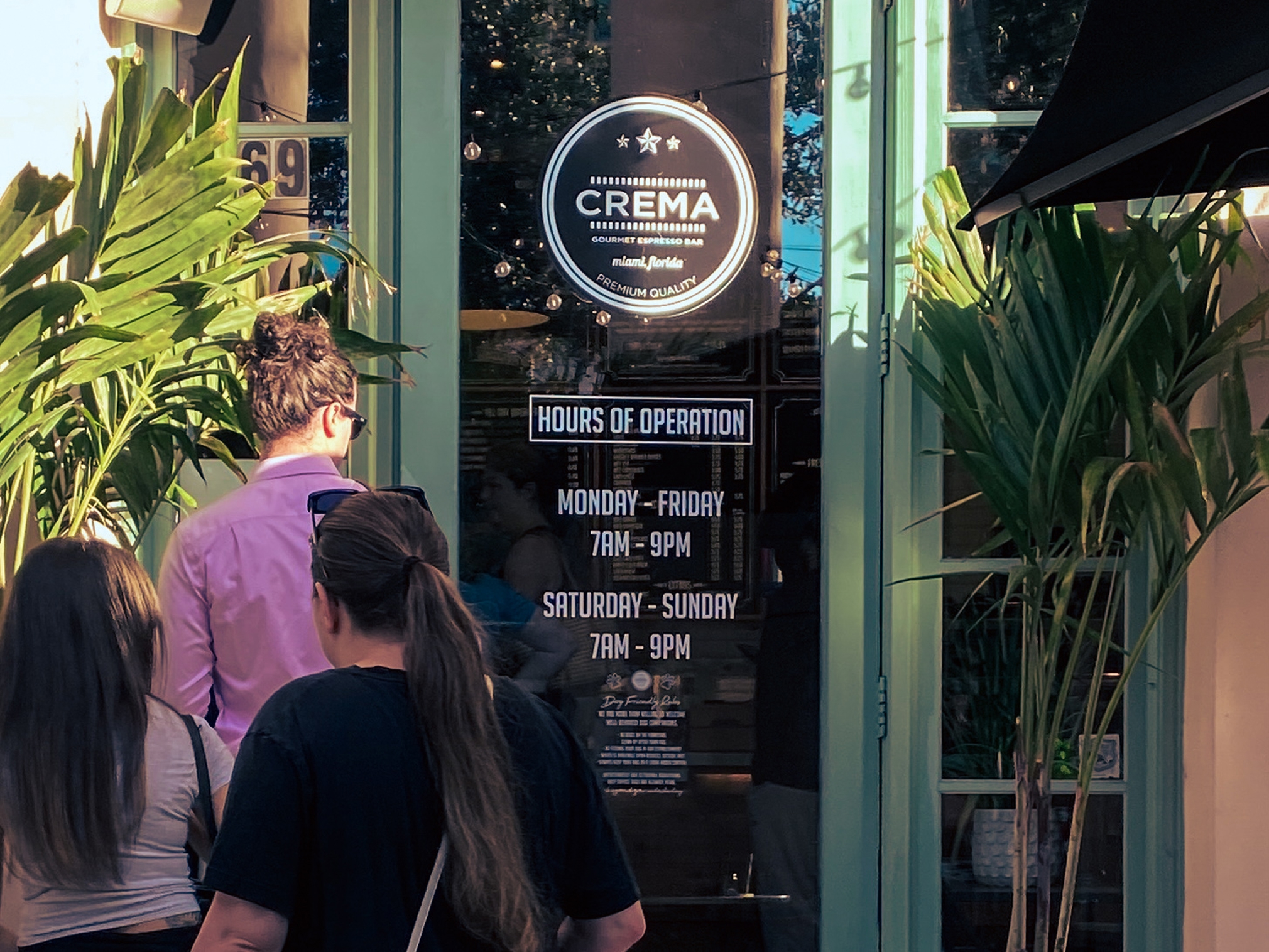
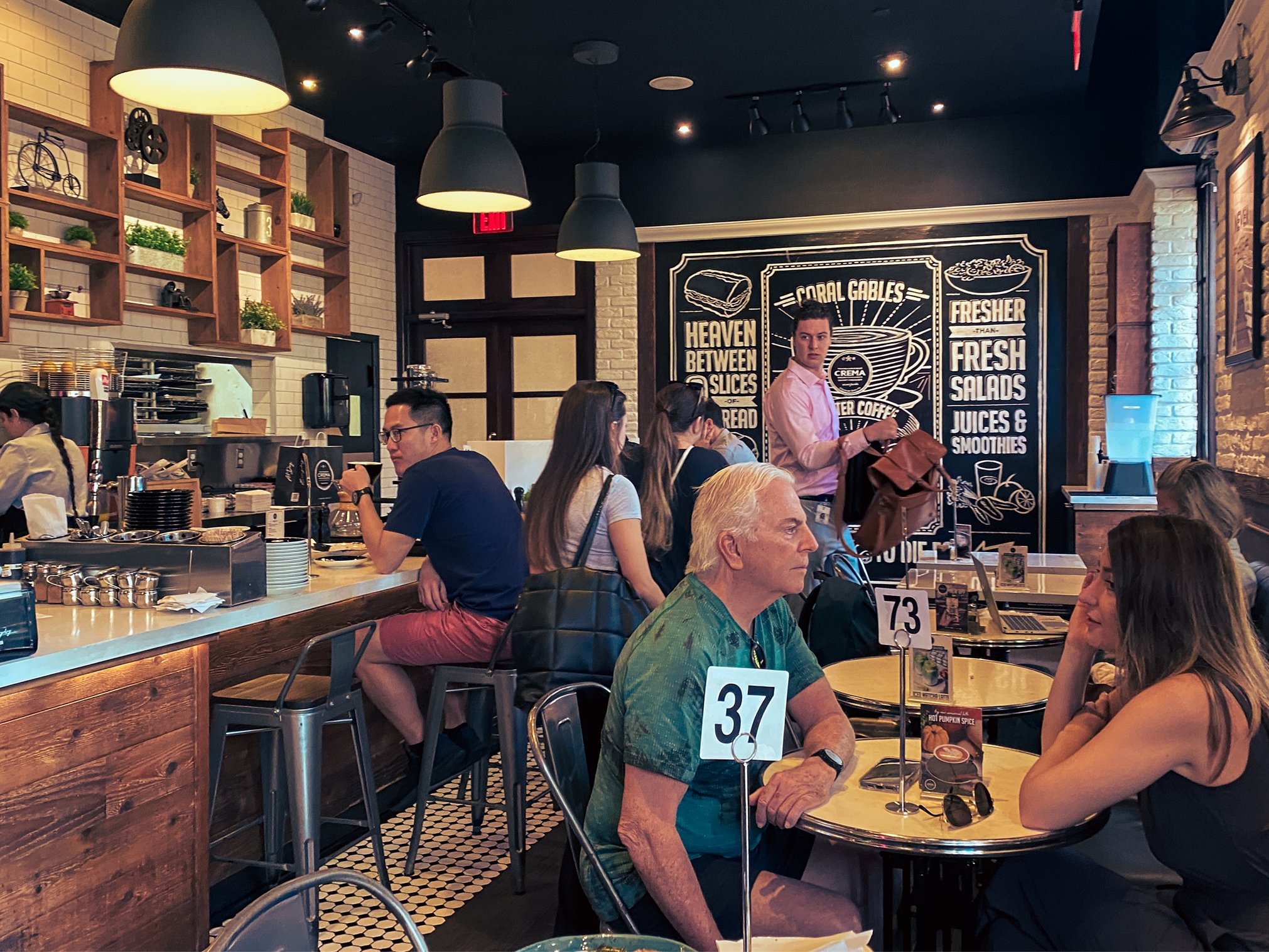
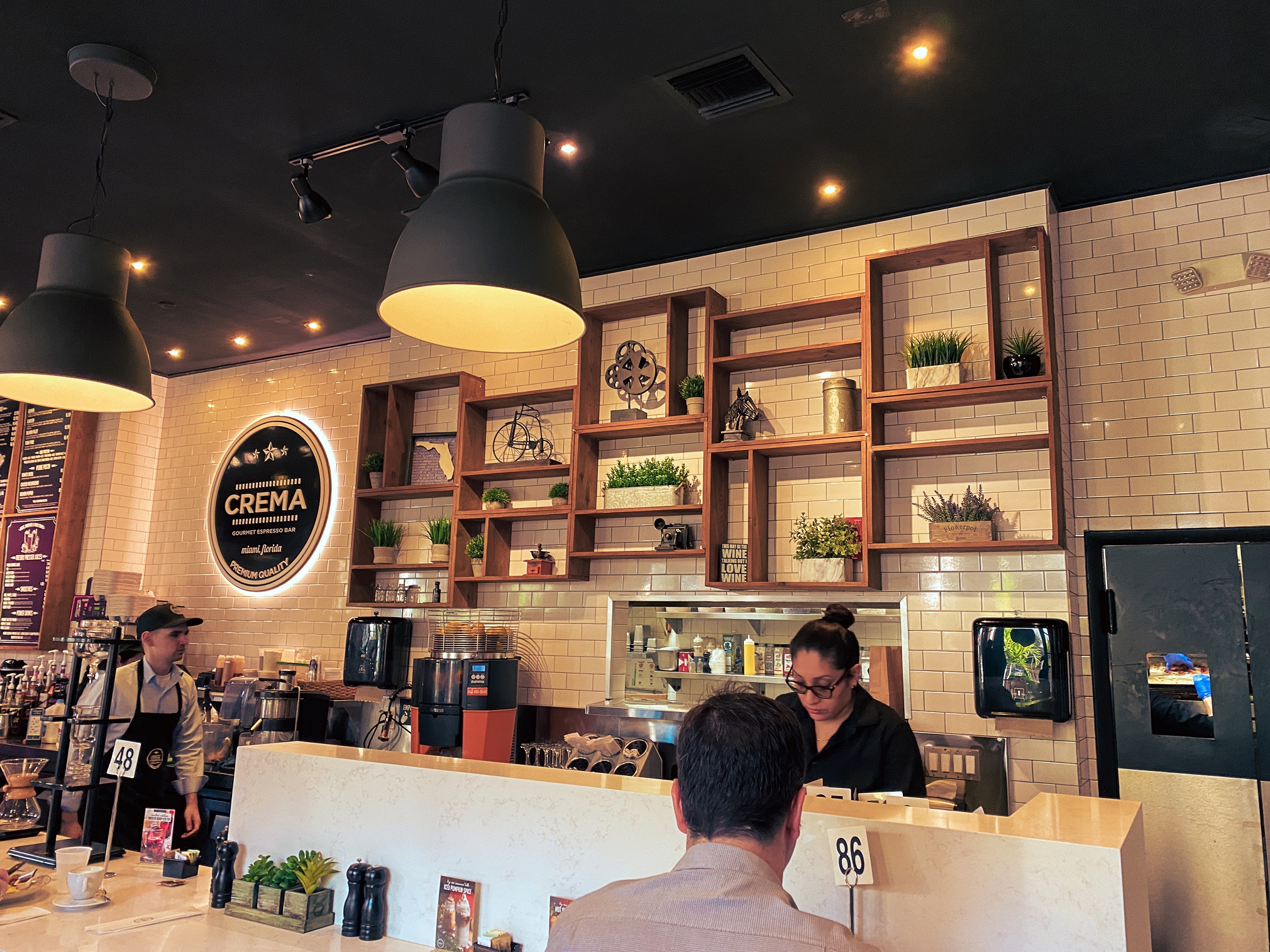
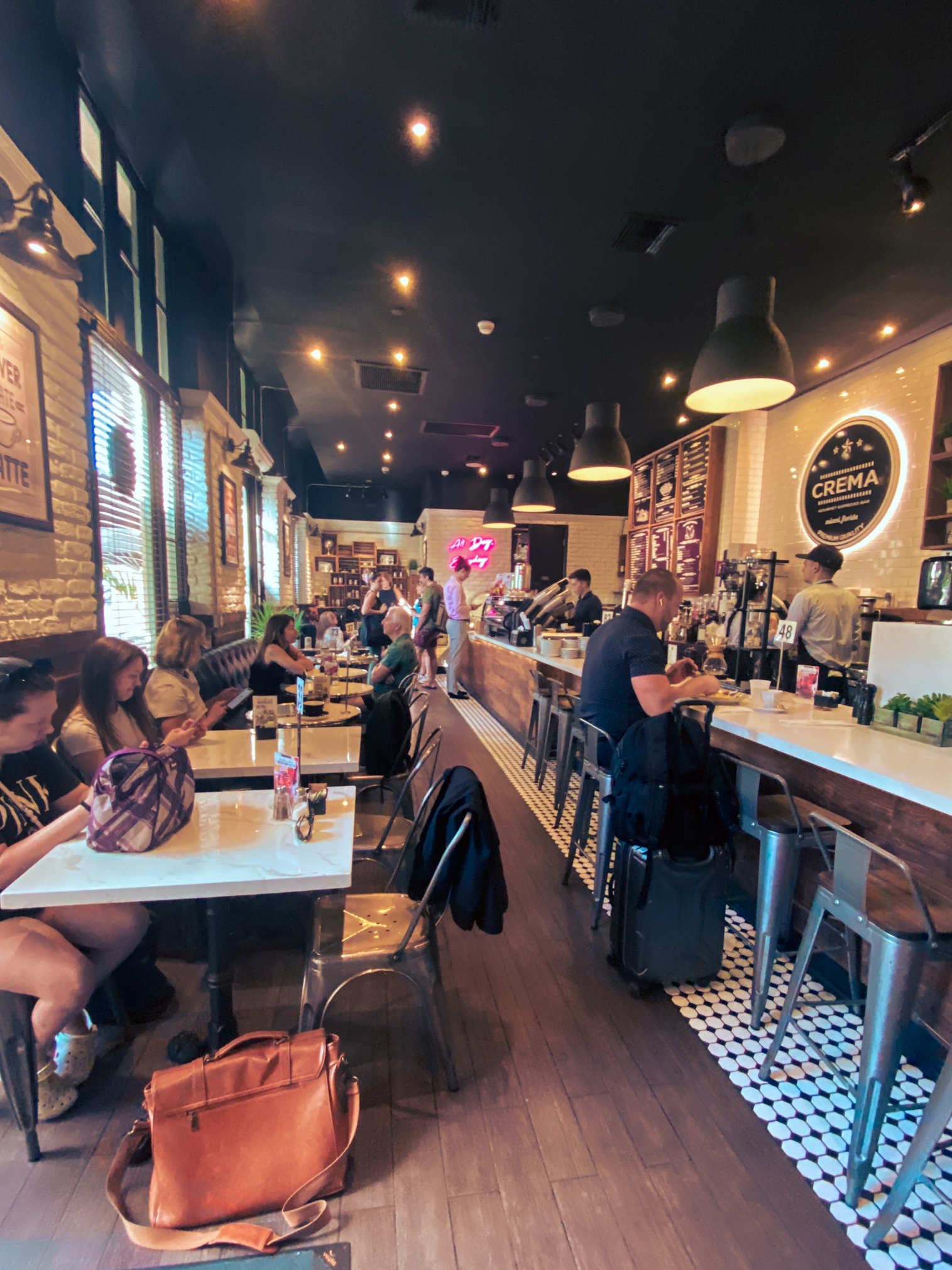
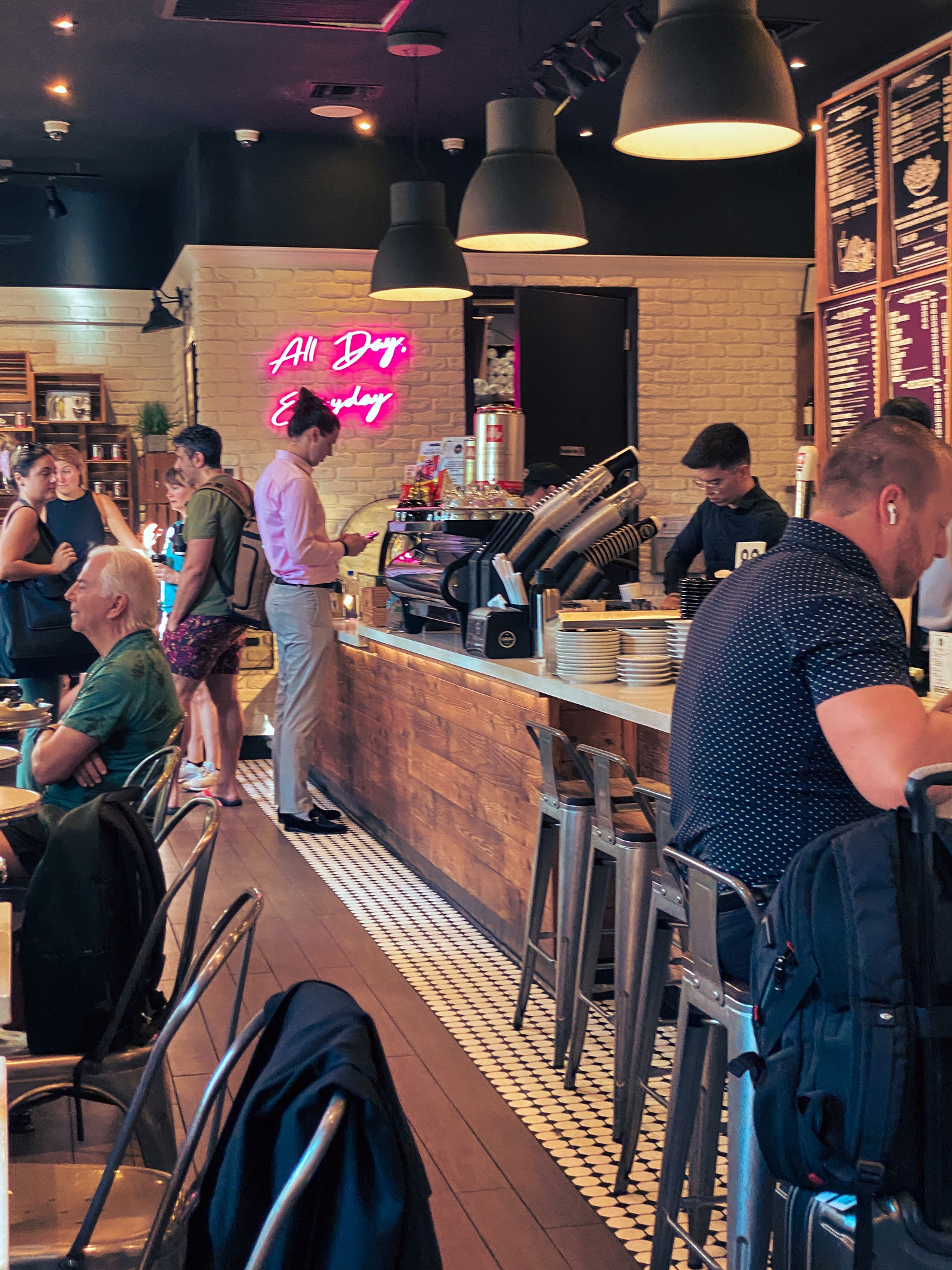
A question I regularly ask when working with maturing platforms is this: does the product still convey the same vision the founder had on day one, even as execution scales? CREMA appears to answer that question well. It has created a system that handles daily volume without losing identity.
That clarity shows up immediately in small, specific ways. The logo on the door is understated and confident, not decorative. The baristas wear crisp black cotton button-down shirts—ironed, sleeves buttoned at the wrist, not rolled up—which fits naturally with the surrounding offices and business-district clientele. The counter is busy but intentionally not pristine, signaling pace without chaos.
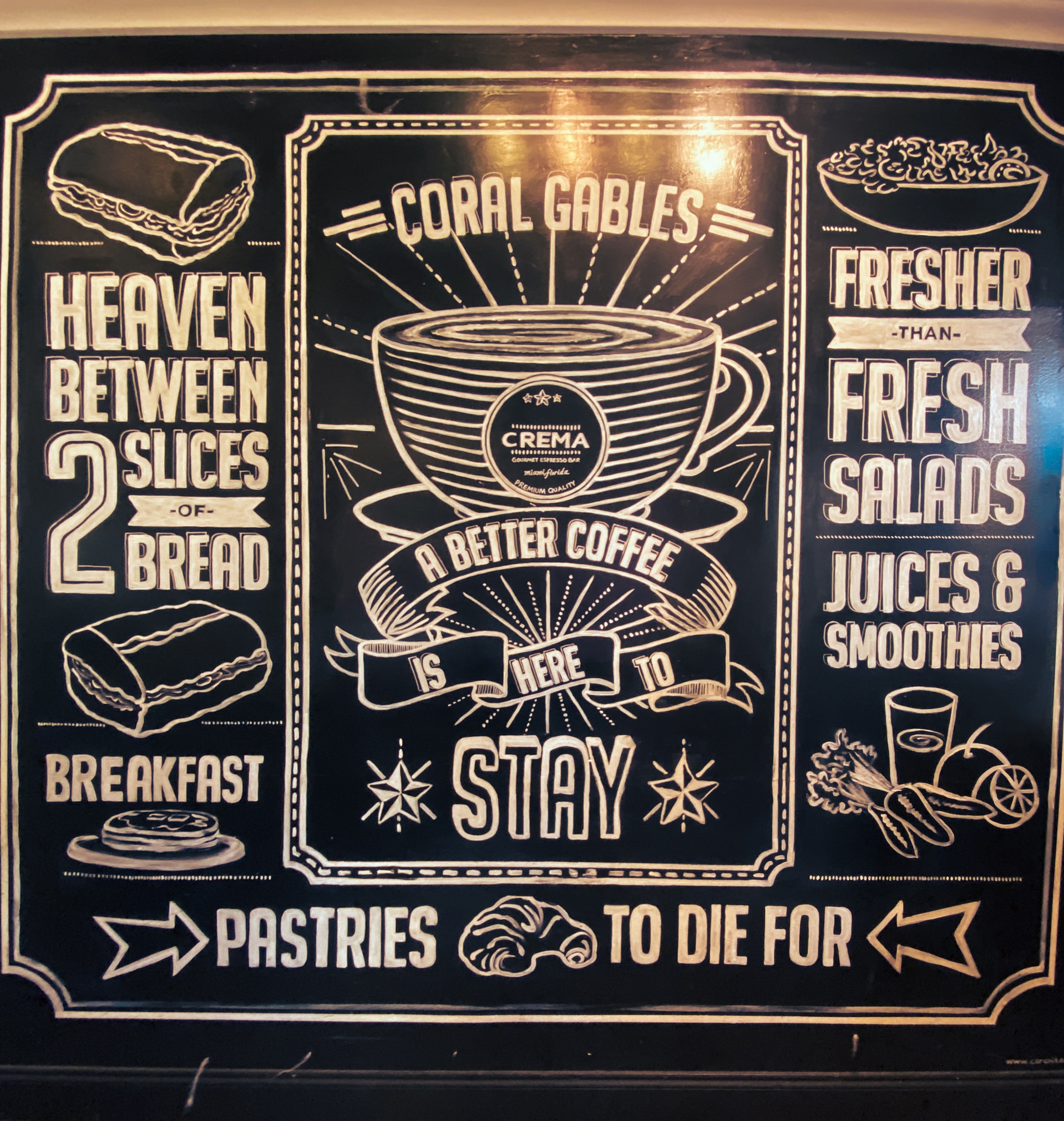
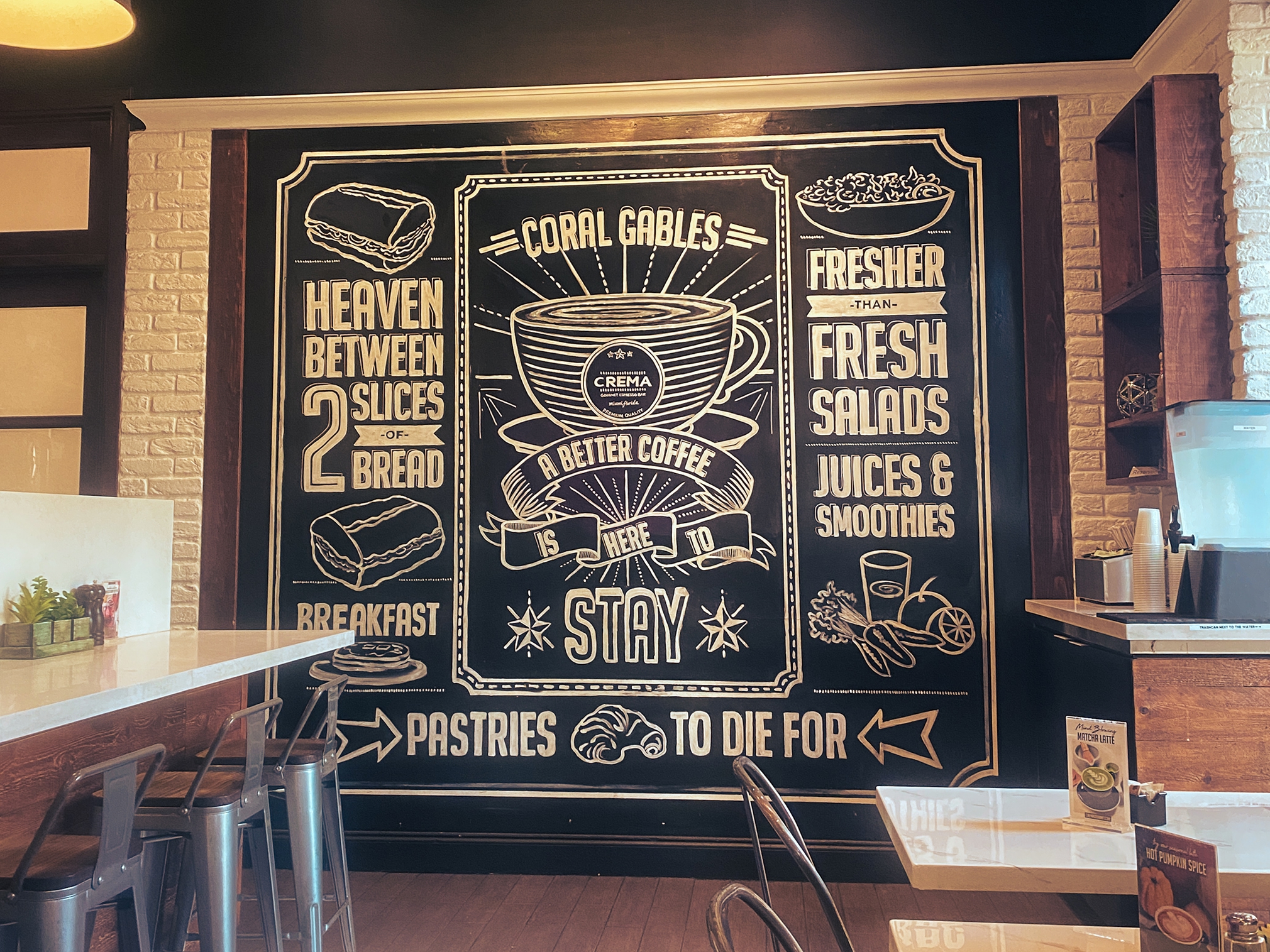
CREMA fits its customers’ context because it behaves like its customers do. Inside, the space balances warmth and function. Natural wood, painted brick, tile, chalkboard signage, and a Miami-callback neon accent all work together. The chalkboard menu is large, hand-drawn, and legible from across the room. The seating supports quick meetings as easily as solo work. When the line backs up, it never feels disorderly.
That consistency suggests a deliberate approach rooted in constraint rather than ambition. CREMA doesn’t try to be everything to everyone. It commits to a clear role: a reliable, high-quality coffee shop that respects its customers’ time and attention. In software terms, it’s a narrow, well-defined surface area executed well.
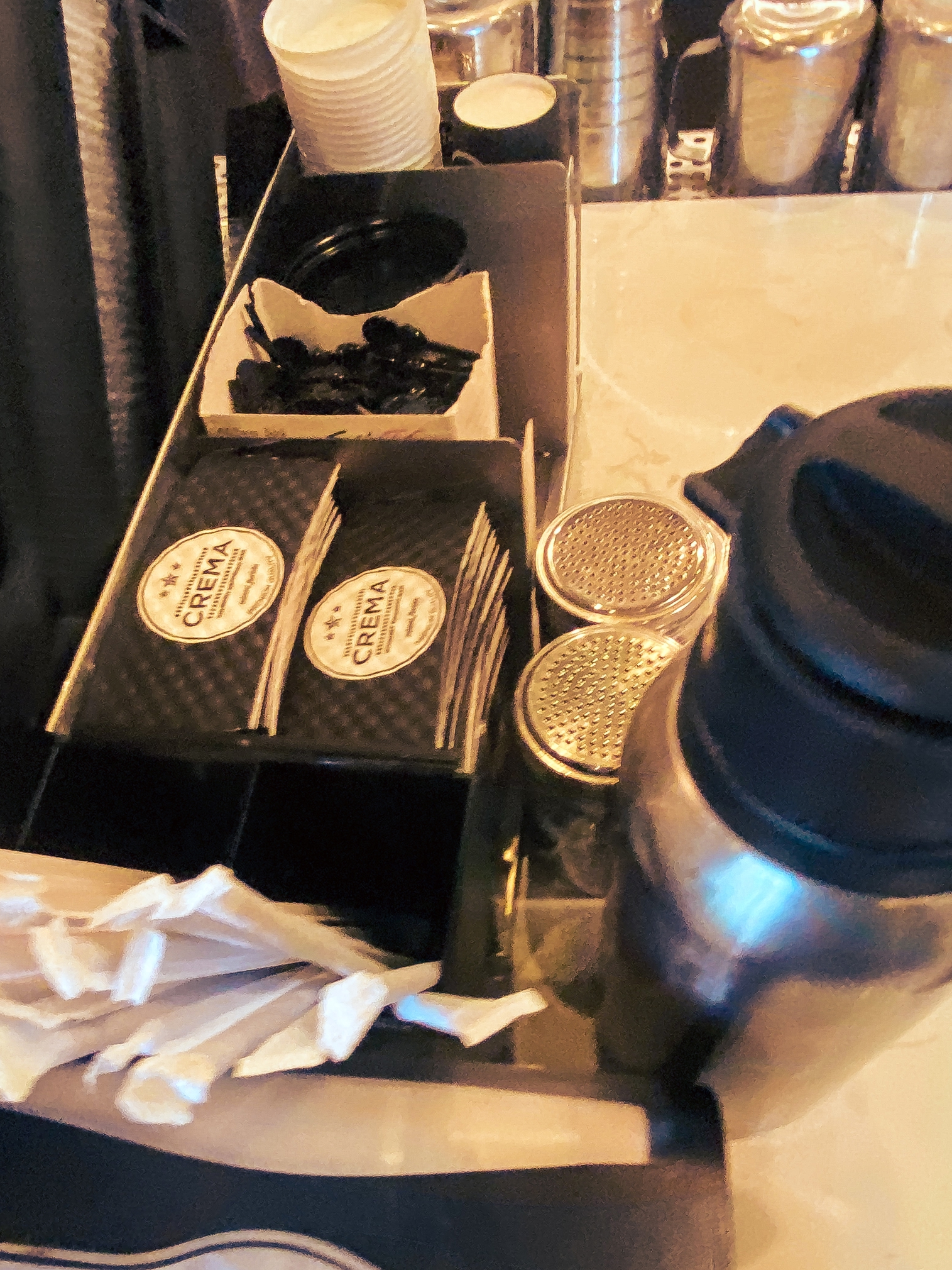
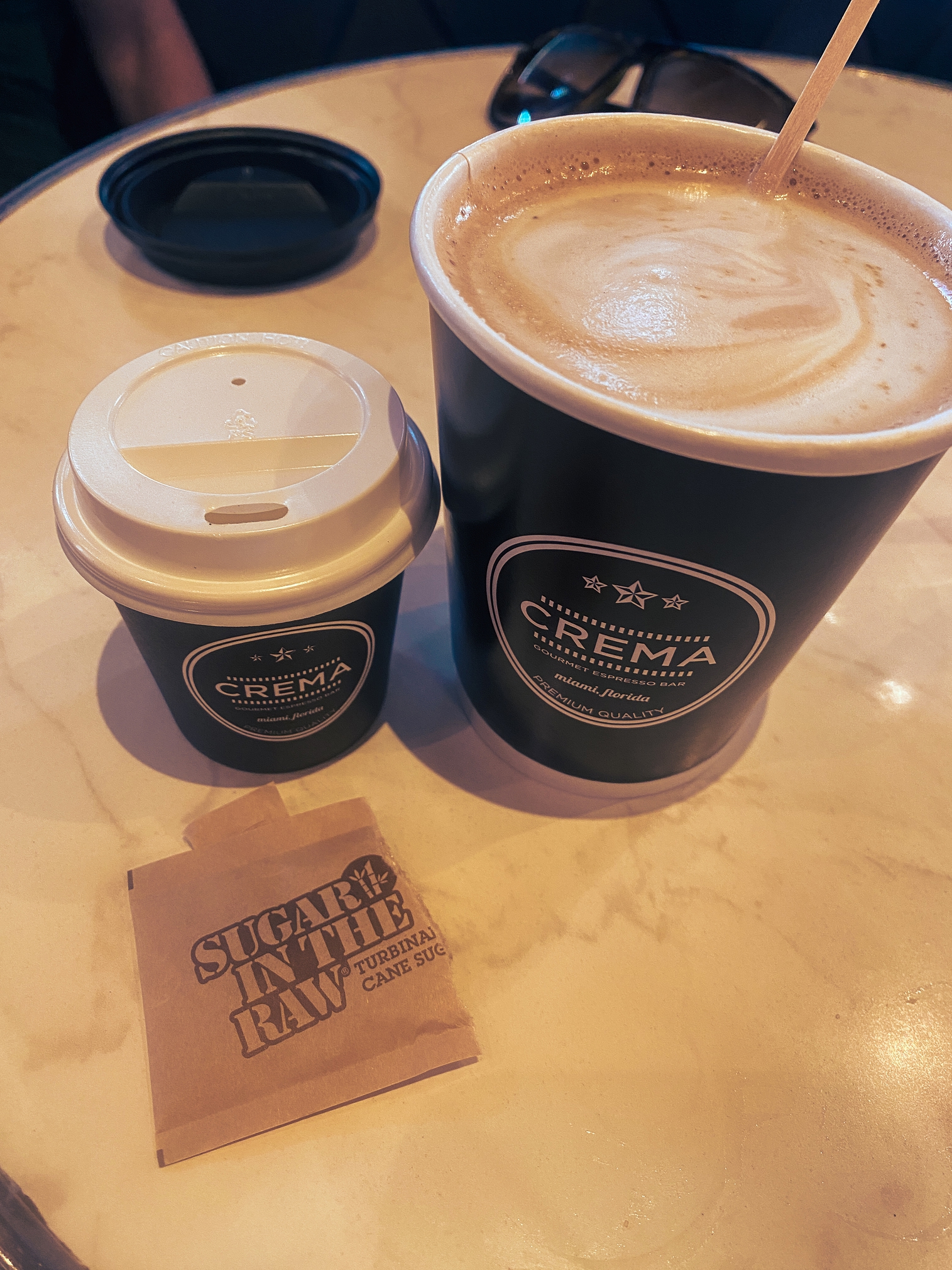
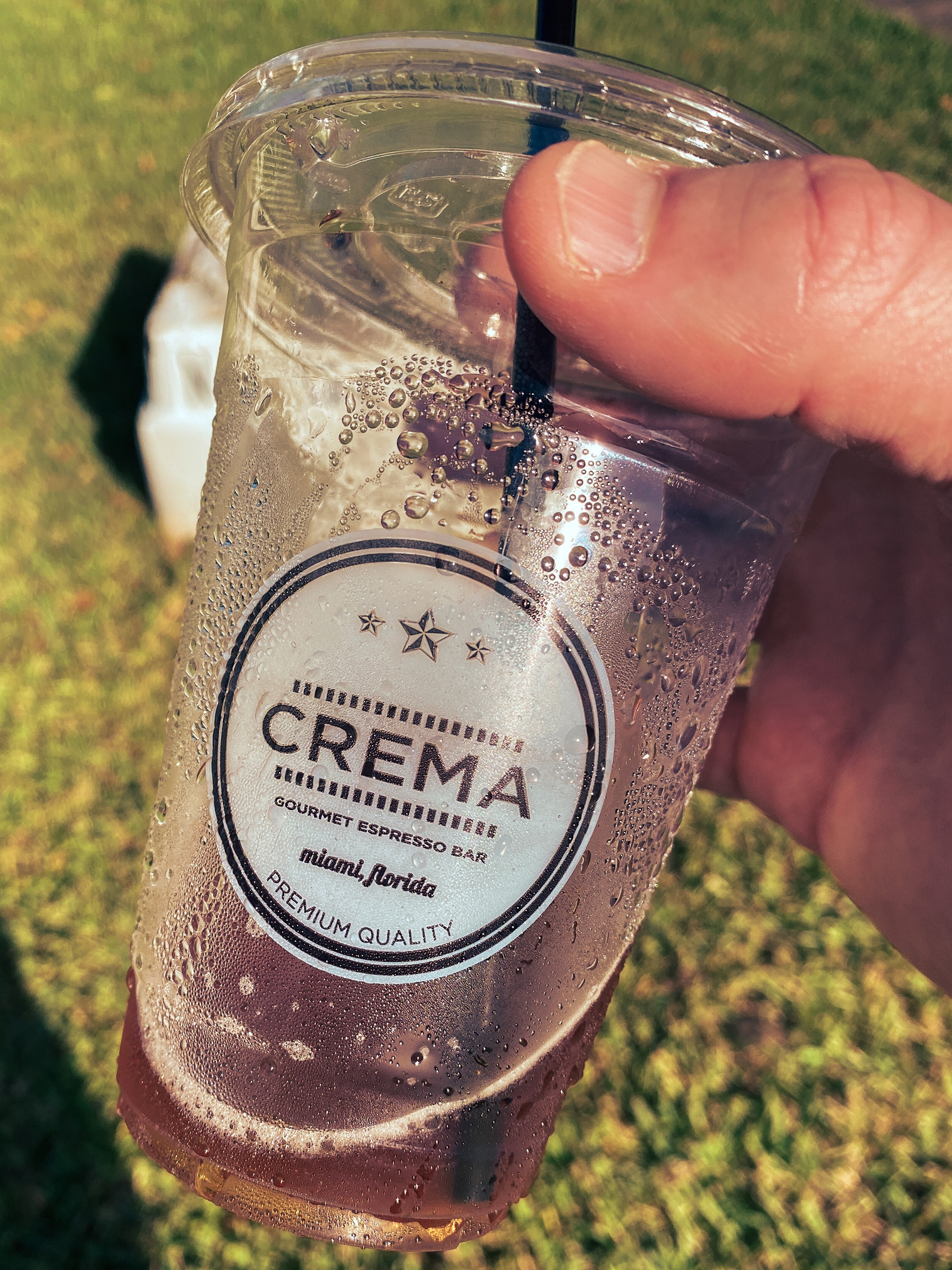
Everything within CREMA’s four walls reflects that discipline. Cups, napkins, menus, and take-away packaging all reinforce the same identity without variation. Staff move efficiently behind the counter, each person clearly owning a part of the workflow. You can feel the morning rush without tripping over it. Nothing appears to exist to compensate for something else that’s broken.
What’s interesting is how transferable this lesson is. You don’t need a physical space to apply it. Software products face the same challenge as they grow. Teams add features without revisiting identity. Processes expand without reinforcing purpose. Over time, users feel the disconnect even if they can’t articulate it. CREMA demonstrates that clarity scales better than cleverness.
The takeaway isn’t about coffee or décor. It’s about coherence. When an organization understands who it is, decisions get easier. Tradeoffs become obvious. Execution feels calmer even when things get busy. That’s as true for distributed systems and product teams as it is for a coffee shop in Coral Gables.
I tend to notice examples like this because they mirror the kinds of problems I see inside growing software organizations. As products and teams scale, clarity either compounds or erodes. The mechanics change—features, customers, markets—but the work remains the same: deciding what matters, reinforcing it through small, repeatable choices, and letting those choices hold under pressure. CREMA is simply a reminder of how much leverage clarity still has.
Before someone uses your product or service, what do they feel first?
Takeaways
1. Clarity Compounds
Small, consistent decisions—uniforms, layout, packaging—add up to an experience that scales without explanation.
2. Constraints Create Calm
By committing to a narrow role and resisting excess, CREMA absorbs volume without visible stress or chaos.
3. Behavior Is Branding
What the space allows, encourages, and prevents communicates more than any logo ever could.
.jpg)